Grain
Lot RG-1107 Ragi, 50 kg sacks
- FromFarmer group, Tumakuru, 2.1 t
- Moisture11.8%, passed
- GradeA
- Paid₹38 a kg, to the farmers’ bank accounts
- ToMysuru mill, 18 sacks

The farmer’s lot, the grade it got and what you owe for it, on one record.
Tell us how you runGrain
Fresh produce
Seed
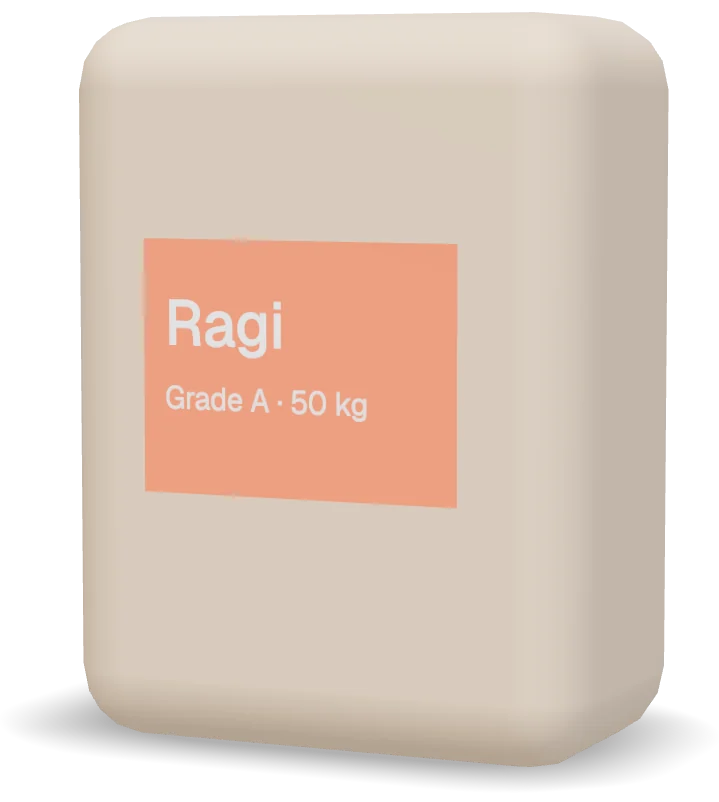
Bought from many farmers, weighed and tested at the gate. Each lot keeps its moisture and grade, so it is paid at the right rate.
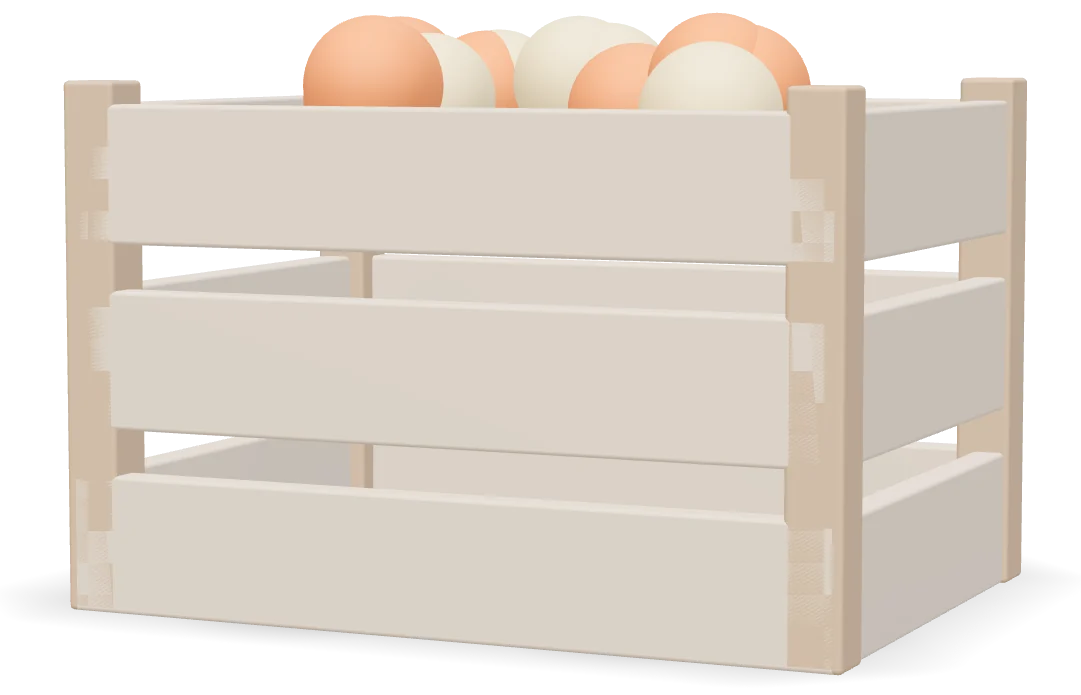
Cold rooms as stock locations, with every lot dated on arrival. The oldest crates leave first, by rule.

Lots traced from the grower plot through processing to the dealer. Germination results stay with the lot.

Fertiliser and crop protection sold on season credit. Each dealer’s limit shows on the order before it is confirmed.
Follow one lot of ragi through Odoo. The weight, the test, the stock, the sale and the farmers’ payment all hang off lot RG-1107, so nothing is argued from paper slips.
The purchase is agreed with the farmer group before harvest: crop, quantity and rate.
 Purchase
 PO/1107Confirmed
Gross, bags and net weight go on the receipt at the gate. The lot is created there.
 Inventory
 WH/IN/1107Done
Moisture and foreign matter are tested before the lot is accepted. The grade sets the price.
 Quality
 QC/1107Passed
The lot sits in its godown with its date. Older stock goes out first.
Inventory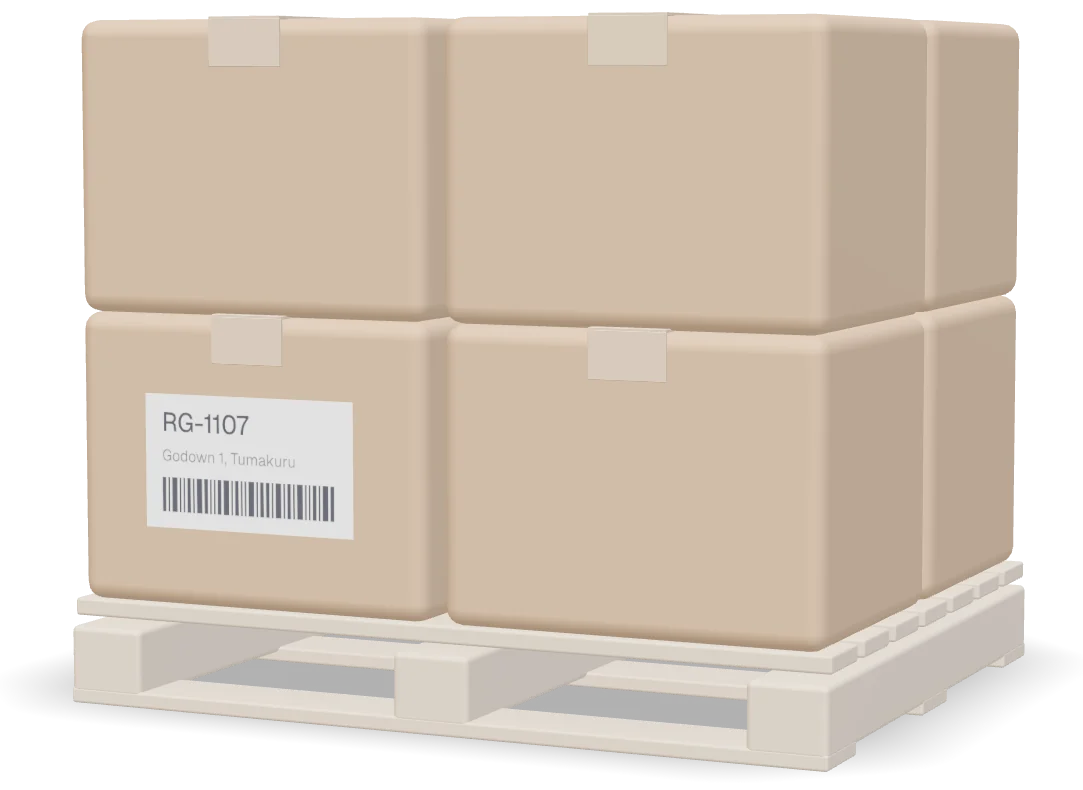 Godown 1, Tumakuru
The buyer’s price applies on the order. The delivery records which lot went where.
 SalesInventory
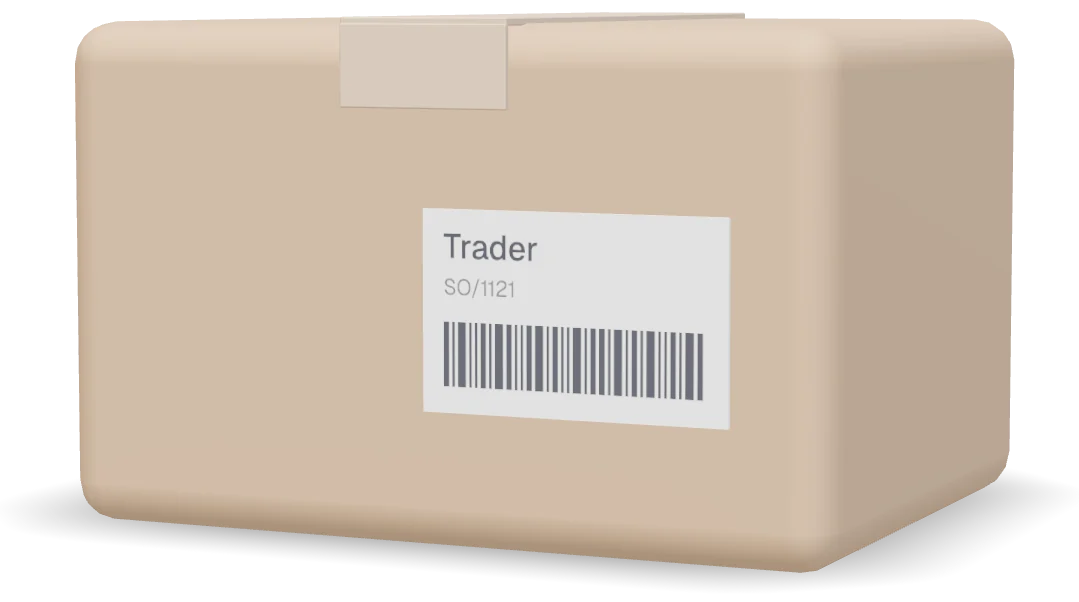 SO/1121Delivered
The bill pays the net weight at the agreed rate, less any advance, straight to the bank.
 Accounting
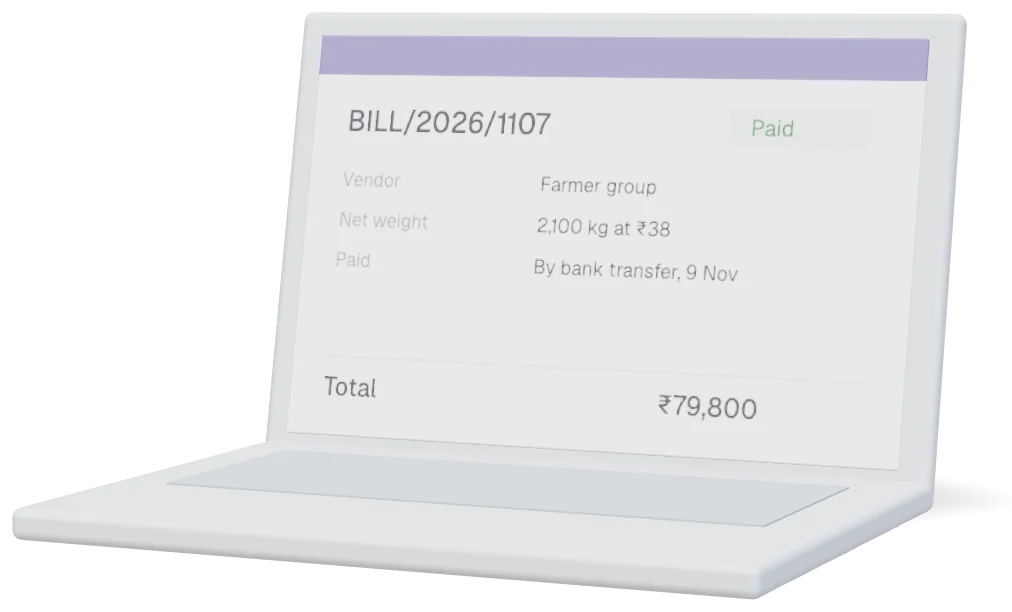 BILL/2026/1107Paid
Gross, tare and bag weight on paper slips, and the farmer and the clerk remember different numbers.
Record gross, tare and net weight on the receipt, so the bill pays the net.
The weight is the price. It should be written once, in front of the farmer, and never retyped.
Inventory
The moisture test came after the bill, so the deduction never happened.
Put the quality check on the receipt, and price the lot by its grade.
A 2% moisture difference on a season’s buying is more than most software costs.
Quality
Older crates at the back, newer ones going out first.
Date every lot on arrival and pick first-expiry-first-out from each cold room.
Perishables don’t forgive a habit. A rule at the cold room door does better than a careful supervisor.
Inventory
Advances given in the season, deducted from memory at harvest.
Record each advance on the farmer’s account, and set it against the bill.
Farmers remember exactly what they were given. Your books should too.
Accounting
A dealer complains of poor germination, and nobody can say which grower plot the packets came from.
Run processing as manufacturing orders, so lots carry through from the grower plot to the packet.
One traced complaint protects the rest of the lot. One untraced complaint puts the whole season in doubt.
 Manufacturing
Input dealers buy on credit through the season and pay after harvest, if at all.
Set a credit limit per dealer, and hold orders above it for approval.
Season credit is part of the trade. Unlimited season credit is a loan book nobody manages.
Sales
Live in 8–14 weeks. Nothing switches off until your books agree.
Gate slips, farmer ledgers in notebooks, accounts in Tally. Slips become receipts with lots from the first day.
What moves across
Software that records purchases at the gate but not quality, stock or dispatch.
What moves across
Common at seed and input companies. The data comes across; the workarounds built around each season don’t.
What moves across
Yes. Each farmer is a vendor with bank details, receipts at the gate are quick, and payments go out in batches. Matching your bank’s payment file format needs some set-up.
Yes, with some set-up. Weights are entered on the receipt; reading them straight from the weighbridge needs an integration we build for your equipment.
Yes, with some set-up. Grades are variants or price list rules, and moisture deductions are applied on the bill, which usually needs a small customisation.
Each cold room is a stock location. Lots carry their arrival and expiry dates, stock leaves first-expiry-first-out, and every move between rooms is recorded.
Odoo’s Indian localisation handles nil-rated and exempt items beside taxed ones, so unbranded grain, packed branded goods and inputs sit in one set of books with the right GST on each.
Yes. Lots start at the grower plot, carry through cleaning and packing as manufacturing orders, and go out to dealers by lot, with germination results recorded on each.
Yes. An advance is a payment on the farmer’s account; when the harvest bill comes in, it is set against it and only the balance is paid.
Partly. Most of Odoo needs a connection. At collection centres with poor signal we plan for receipts to be entered when the connection returns, or set up a simple form that syncs later.
Yes. Stock is held by batch with its expiry date, so the oldest batch goes out first and expired returns come back against their own batch. Season-end scheme discounts go out as credit notes. Your fertiliser and pesticide licence numbers on the invoice need a small change to its layout.
Yes. We’ve moved groups off SAP and other ERPs. Masters and open balances come across, you run one month-end side by side, and you switch when the numbers agree. Planning shows where Odoo fits as it is and where it needs building.
Question not here? WhatsApp us.
A senior consultant reads every note and replies personally.
Or call +91 79750 29997 or WhatsApp us