Machined
Lot PS-2207 Pistons, 72 mm
- CastingLot CA-0411, heat H-219
- MachinedCNC line 2, shift B, 12 Nov
- CheckedBore gauged, 2 rejected: ovality
- Downtime38 min, insert change
- ToOEM, Hosur, 2,352 pieces

When a part fails at the customer’s plant, you find the heat, the machine and the shift that made it.
Tell us how you runMachined
Warranty
Dealer order
Bought-in
Routings across machines, with OEE measured on each work centre. Every lot traced back to its castings.
Heats and lots carried from the furnace to the machined part. A rejection shows which heat it came from.
Each dealer on their own price list. Credit limits are checked on the order, not after it.
Thousands of part numbers with their vendor codes and barcodes. Reordering rules keep the fast movers in stock.
The bill of materials prices every part and operation, so a quote to the OEM is built on what the assembly really takes. Point at a part to find its line.
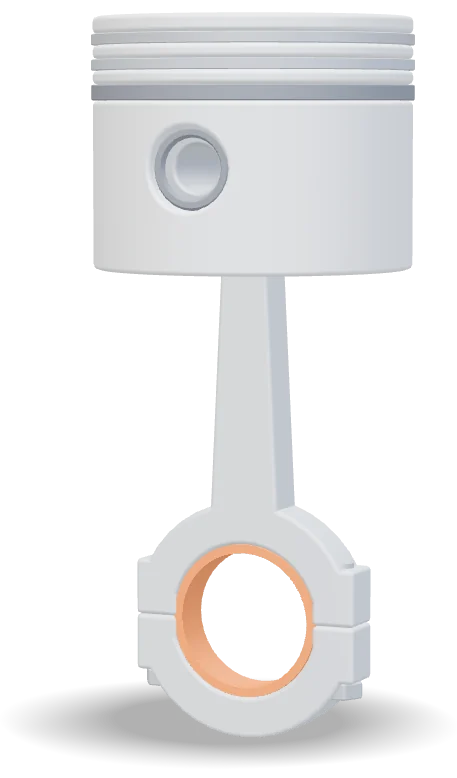
 BoM: Piston assembly, 74 mm
ComponentQtyCost
OperationTimeCost
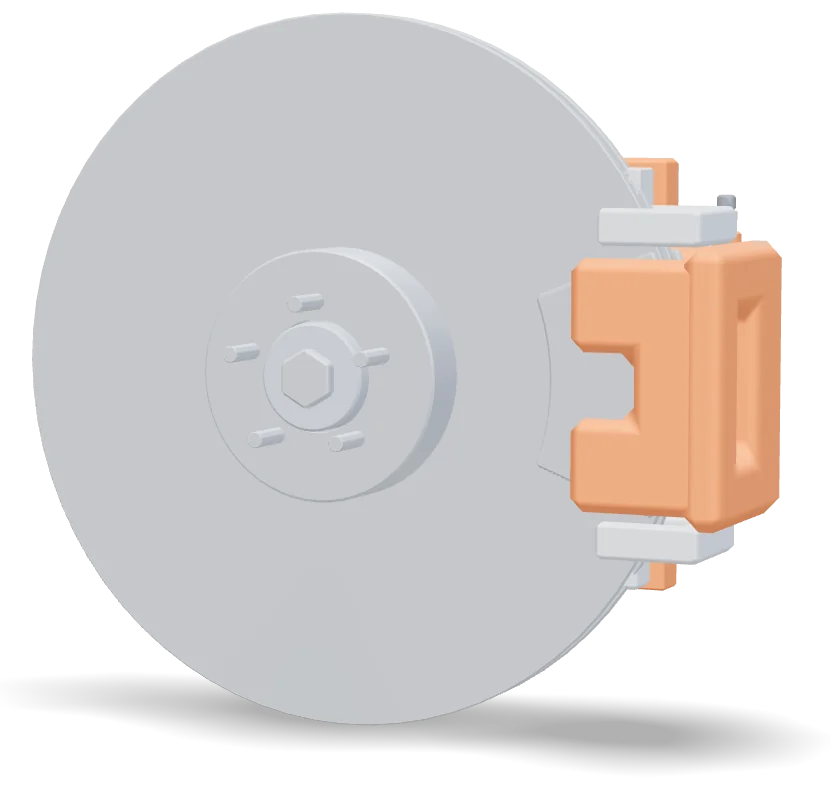
BoM: Front disc brake, 280 mmComponentQtyCost
OperationTimeCost
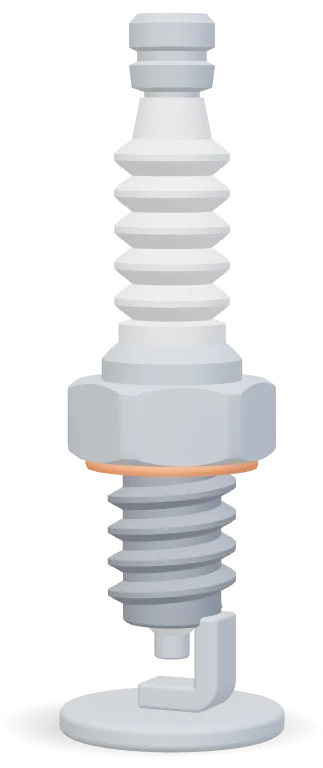
BoM: Petrol engine, 1.2 L, four-cylinderComponentQtyCost
OperationTimeCost
Follow one lot of pistons through Odoo, from the castings received to the invoice for the assembly plant.
Castings arrive against the purchase order, each heat as its own lot. Incoming inspection samples the lot.
 Inventory
 Quality
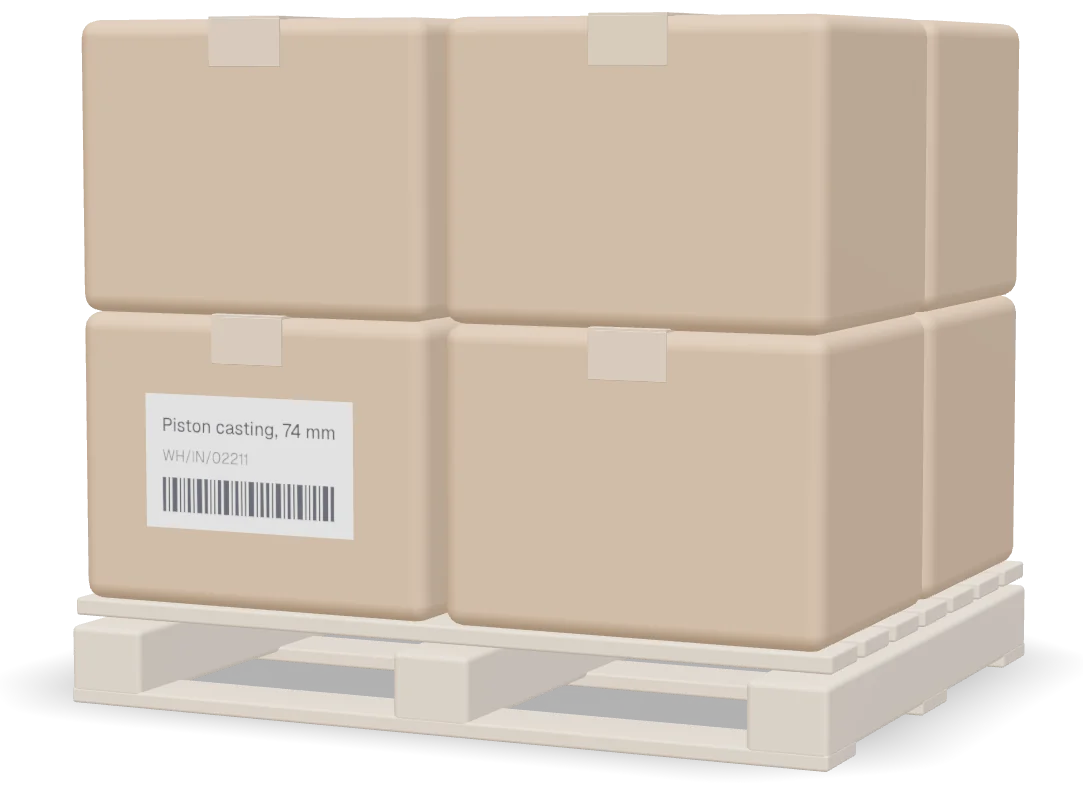 WH/IN/02211Done
The work order runs through the routing: turning, boring, grooving. Each machine logs its time, so OEE is a report.
Manufacturing Shop Floor
 MO/0918Done
In-process and final checks record their readings. Out-of-tolerance parts are scrapped or reworked, with a reason.
Quality QC/2207Done
Good parts are packed in the customer’s bins, each bin labelled with the lot.
 Barcode
 Piston, 74 mm
The weekly schedule becomes sale orders with delivery dates. The delivery records the lot in every bin.
 SalesInventory
 SO/2296Delivered
The GST e-invoice and e-way bill come from the delivery. Payment due dates follow the customer’s terms.
 Accounting
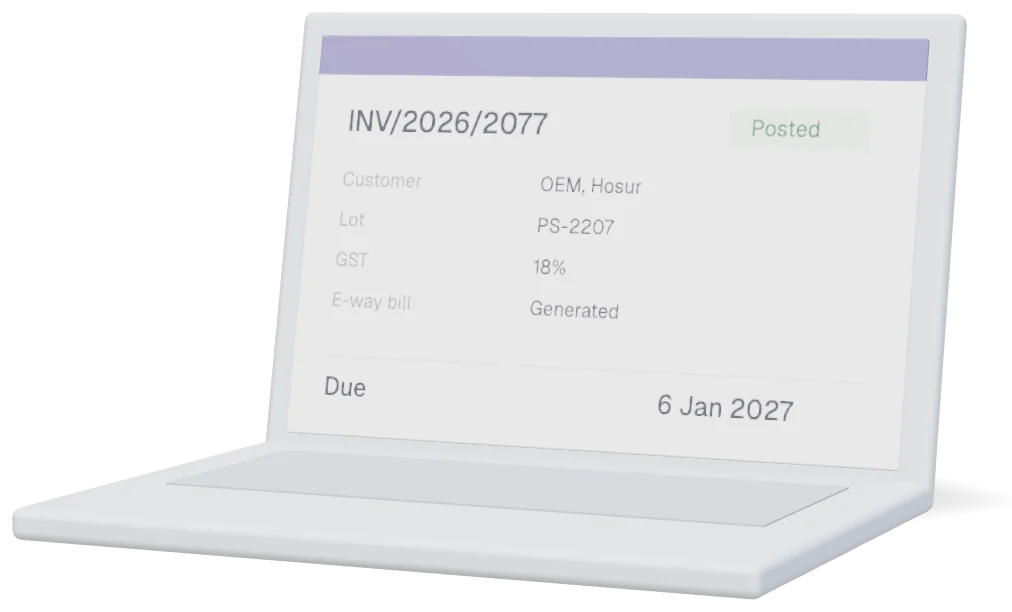 INV/2026/2077Posted
The machines look busy, yet output per shift keeps falling short.
Log time and downtime per work centre on the work order.
OEE from real logs shows whether the loss is setups, breakdowns or speed. Each has a different fix.
Shop Floor
A dealer returns a disc, and the claim is paid without knowing which lot or heat it came from.
Track lots from the casting heat to the delivery.
A claim then points to a lot, and a lot points to a supplier you can recover from or a process you can fix.
Inventory
Scrap is counted at month end, if at all, so its cost hides inside the part price.
Record each rejection with a reason on the quality check.
Scrap by reason and by machine is where the next improvement project comes from.
Quality
Each dealer was promised a rate; the invoice uses another, and a credit note settles the difference.
Give each dealer their own price list in Odoo.
The order applies the agreed rate, so credit notes go back to being for returns.
Sales
A tool insert or spare runs out, and a machine stands for half a shift.
Keep tooling and consumables as stock with reordering rules.
Cheap items stop expensive machines. Min and max rules on them are the easiest win on the floor.
 Purchase
Weekly schedules are copied from the customer’s portal to a spreadsheet to an order, line by line.
Import each schedule file into sale orders with delivery dates.
Odoo has no OEM portal link built in. A weekly import beats retyping and is easy to check.
Sales
Live in 8–14 weeks. Nothing switches off until your books agree.
Common at tier-2 and tier-3 suppliers. Routing sheets and inspection registers move into Odoo.
What moves across
Usual at tier-1 plants. Masters, routings and open orders come across; years of workarounds don’t.
What moves across
For distributors and dealers. Billing works; stock across branches and dealer pricing don’t.
What moves across
Yes, in Manufacturing. Work centres record productive time and downtime with its reasons, and OEE is a standard report per machine.
Yes. Lot-tracked parts carry their lot to the delivery, and the traceability report shows the casting heat and supplier behind it. Claims can be logged in Helpdesk and handled through Repairs.
Partly. Quality control points, alerts and records cover inspection and corrective action. PPAP files and control plans are kept in Documents; Odoo has no PPAP workflow of its own.
Not out of the box. We import the weekly schedule file into sale orders with delivery dates; a live link to an OEM portal or EDI is a custom integration.
Vendor part numbers are standard on each product’s supplier list. Customer part numbers on labels and invoices need a small customisation.
Yes. Price lists by dealer, region or volume, with a warning on the order when a dealer is over their credit limit.
Yes, through reordering rules: a minimum and maximum per location, with barcode scanning to trigger the refill. Bin labels print from Odoo.
Yes, through Odoo’s Indian localisation: GST on every invoice, e-invoices and e-way bills generated from the system, and GSTR returns from the same books.
Yes. We’ve moved groups off SAP and other ERPs. Masters and open balances come across, you run one month-end side by side, and you switch when the numbers agree. Planning shows where Odoo fits as it is and where it needs building.
Question not here? WhatsApp us.
A senior consultant reads every note and replies personally.
Or call +91 79750 29997 or WhatsApp us