Precast piece
SL-0412-07 Hollow-core slab, 6 m
- Bed3, Jigani yard, cast 5 Nov
- Cube test24.1 MPa at 7 days, passed
- Cost₹38,400: steel, concrete, labour
- BilledMilestone 2 of 5, slabs 25–48
- ToTech park Tower B, Whitefield

Cement on site, cubes in the yard, and a running bill that matches the work done.
Tell us how you runPrecast piece
Site stock
Steel by heat
Running bill

Each casting a work order on its bed, with curing time and cube results recorded. Pieces numbered and traced to the project they were cast for.
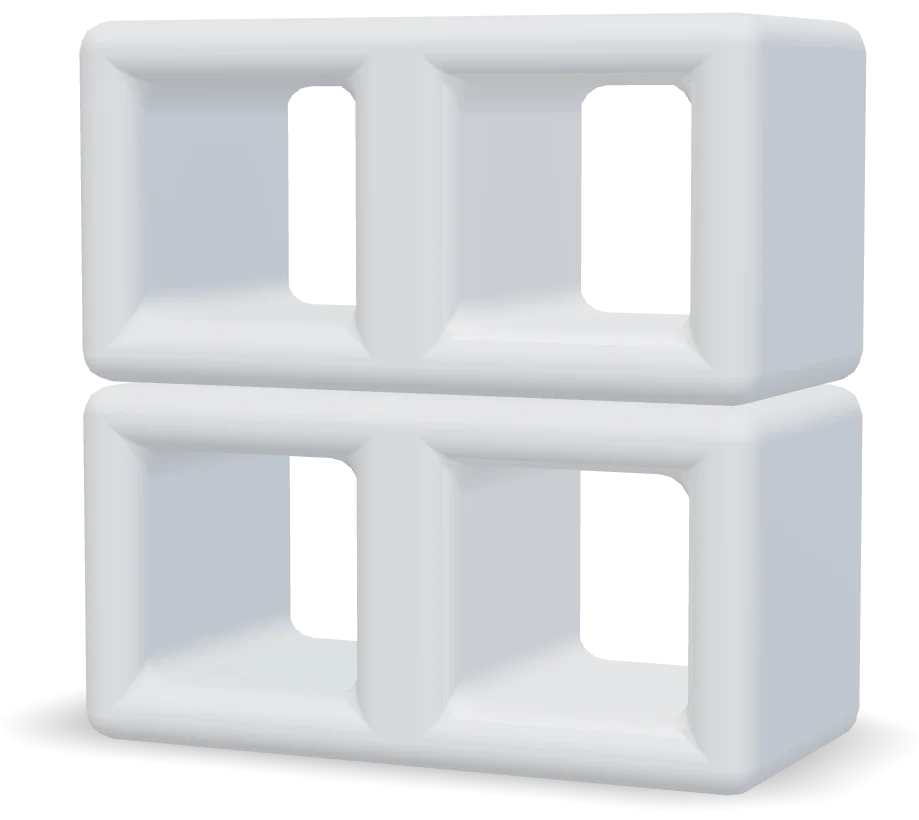
Mix designs as bills of materials, so cement per block is known. Stock at the plant and at each customer’s site.
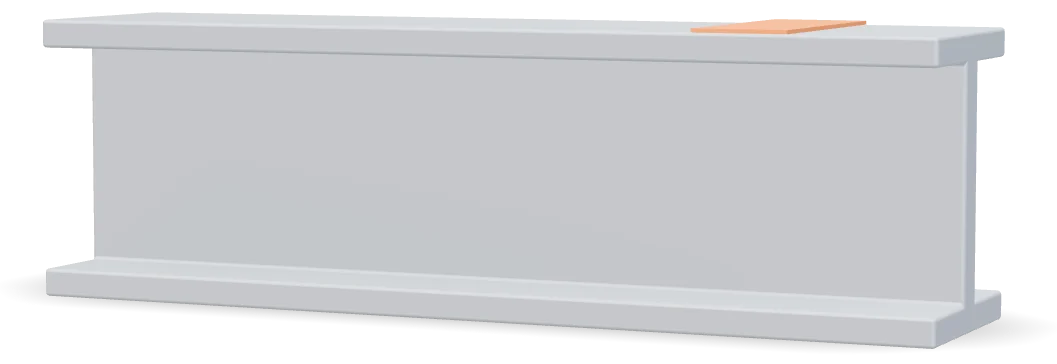
Steel bought by weight, tagged to the project, with its heat number and mill certificate. Fabrication drawings attached to the work order.
Projects billed by milestone or percentage complete. Material, labour and subcontractors costed against each job.
The bill of materials is the mix, the steel, the fittings and the hours for each piece, so every item is costed and traced to its pour or its batch. Point at a part to find its line.
 BoM: Hollow-core slab, 3 × 1.2 m
ComponentQtyCost
OperationTimeCost
BoM: Sliding window, 1.5 × 1.2 mComponentQtyCost
OperationTimeCost
BoM: RCC column, 450 × 450 mm, 3 mComponentQtyCost
OperationTimeCost
Follow one precast contract through Odoo. Every purchase, casting and bill writes to the same project, so its margin is known while the job is still running.
The contract becomes a project with its milestones. Every cost from here on is tagged to it.
 Project
 Sales
 PRJ/0412In progress
Cement and steel are bought against the project, so their cost lands on the right job.
 Purchase
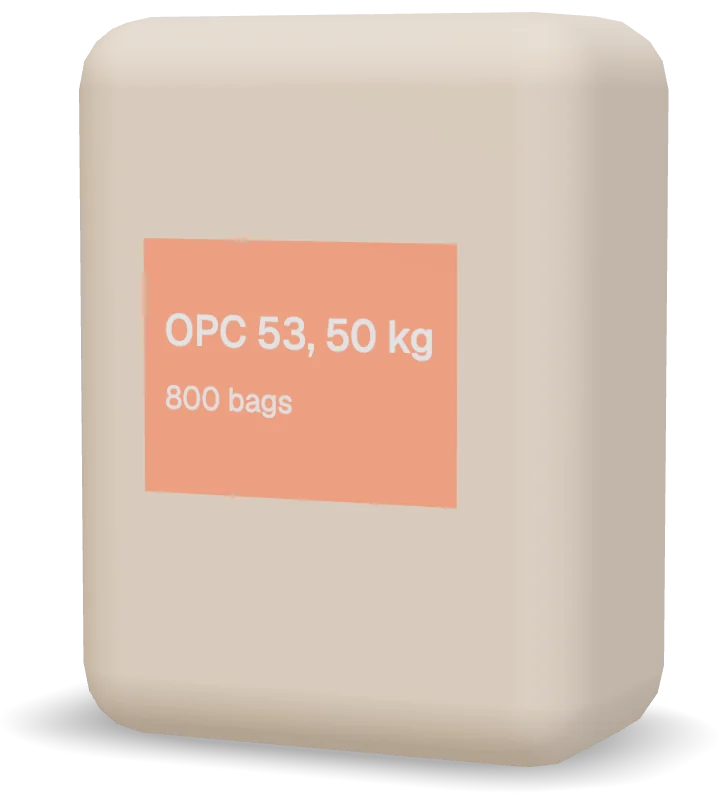 PO/0388Received
Each slab is a work order on its bed. Its cube test is recorded on the piece as a quality check.
Manufacturing Quality
 MO/0731Done
Pieces go out on a delivery to the site, with the e-way bill. The site confirms what arrived.
 Inventory
 WH/OUT/00731Delivered
When a milestone is done, its invoice comes from the sale order. Nothing waits for someone to work it out.
Sales Accounting
 INV/2026/1184Posted
Material, labour and subcontractors sit against the billing on one project, while it runs.
ProjectAccounting PRJ/0412
Cement and steel leave on a challan; what was used and what is lying around, nobody knows.
Make each site a stock location, and issue material against the project.
Site stock is still your money. Once it is a location, it can be counted and reconciled.
Inventory
Purchases, labour and hire land in general expenses, so profit per project shows at year end.
Tag every purchase, timesheet and bill to the project.
Then the margin is visible while there is still time to do something about it.
Project
Billing waits for someone to work out what was done last month.
Bill by milestone from the sale order as soon as the milestone is marked done.
Every week a bill waits is a week of your working capital funding the client.
Sales
Beds sit empty while the yard waits for moulds, steel or an approved drawing.
Plan castings by bed, as work centres, against the delivery schedule.
A bed is the yard’s real capacity. Schedule it like a machine.
Manufacturing
Strength results are on paper, and finding one for a client query takes a day.
Record the cube test as a quality check on each casting.
The result is then on the piece’s record, found in seconds, and a failed piece is flagged before it leaves the yard.
Quality
Labour contractors bill for work measured by their own count.
Pay subcontractors against work measured and recorded on the project.
This needs some set-up. It is worth it on any job with a large labour contractor.
Purchase
Live in 8–14 weeks. Nothing switches off until your books agree.
Where most contractors and yards we meet start. Project costs in Excel become analytic accounts from the first day.
What moves across
The office used it; the yard kept registers. Odoo is set up so the yard records its own work.
What moves across
The data comes across; the workarounds built around the old system don’t.
What moves across
Yes, as standard. Invoice by milestone, by percentage of the order, or from delivered quantities, each tied to the project and its sale order.
With some set-up. Running account bills are progress invoices against the contract, and retention can be held back on each one and released at the end.
There is no BOQ app in standard Odoo. A BOQ is usually set up as the quotation with its sections and lines, or imported from your estimating sheet, so the project starts with its budget.
Yes. Each site is a stock location, material moves to it by transfer and is issued against the project, so what is still at the site stays visible.
Each project has an analytic account. Purchases, vendor bills, timesheets and expenses are tagged to it, and the project shows its costs against what has been billed.
Yes. Castings are manufacturing orders, beds are work centres, and mix designs are bills of materials, all costed to the project they were cast for.
Equipment can be tracked with its maintenance in the Maintenance app, and hire charges booked to the project. Equipment you rent out to others runs through the Rental app.
Yes, through Odoo’s Indian localisation: GST on every invoice, TDS on payments, and e-invoices and e-way bills generated from the system.
Yes. We’ve moved groups off SAP and other ERPs. Masters and open balances come across, you run one month-end side by side, and you switch when the numbers agree. Planning shows where Odoo fits as it is and where it needs building.
Question not here? WhatsApp us.
A senior consultant reads every note and replies personally.
Or call +91 79750 29997 or WhatsApp us